
Author: Andrew Hall, Co-owner and Lead Performer at Realm of the Reptile
Summer reading programs matter.
They are not just another calendar item
They are not filler.
They are not “something fun to do while school is out.”
They are one of the clearest opportunities your library has all year to get families in the building, connect children with books, and create the kind of experience people talk about long after the event ends.
If you are a librarian, youth coordinator, branch manager, or anyone responsible for planning summer programming, this is the big idea:
Your events are not the mission.
Your events support the mission.
The mission is reading.
The mission is literacy.
The mission is helping children and families build a lasting relationship with books, learning, and your library.
And when your summer reading program is built with that purpose in mind, everything gets stronger:
and the long-term value people associate with your library.
So let’s talk about how to build a summer reading program that actually works.
A strong summer reading program does two things at the same time:
First, it serves the families who already love your library.
These are the regulars.
They come often.
They trust you.
They are likely to show up for many of the things you host.
Second, and just as important, it brings in new families who would not otherwise walk through your doors.
That second group matters more than most planners realize.
Because when you plan only for your established audience, you serve the people who already know your value.
But when you plan for the new family, the curious child, the grandparent looking for an outing, or the parent who has not visited in years, you often end up serving both groups at once.
That is where real growth happens.
If your goal is to get more people connected to your library, then summer is one of your best windows to do it.
The goal is not merely to put on a good show.
The goal is to create a pathway from excitement to reading.
That means every event should be viewed as an entry point.
All these can work
But none of them should exist in isolation.
Each event should help families do at least one of these three things:
• discover books
• sign up for summer reading
• or build a stronger reason to come back next week.
That shift in mindset changes everything.
Because once you stop asking, “What event should we book?”
and start asking, “How will this event move people toward reading and returning?”
your planning becomes much more effective.
Entertainment is not the enemy of literacy.
It is often the doorway to literacy.
Children do not always begin with a love of books.
Sometimes they begin with
That is why high-quality programming matters.
When a child attends an exciting library event tied to animals, science, nature, adventure, or storytelling, you have a perfect opportunity to connect that moment to books waiting right there in the building.
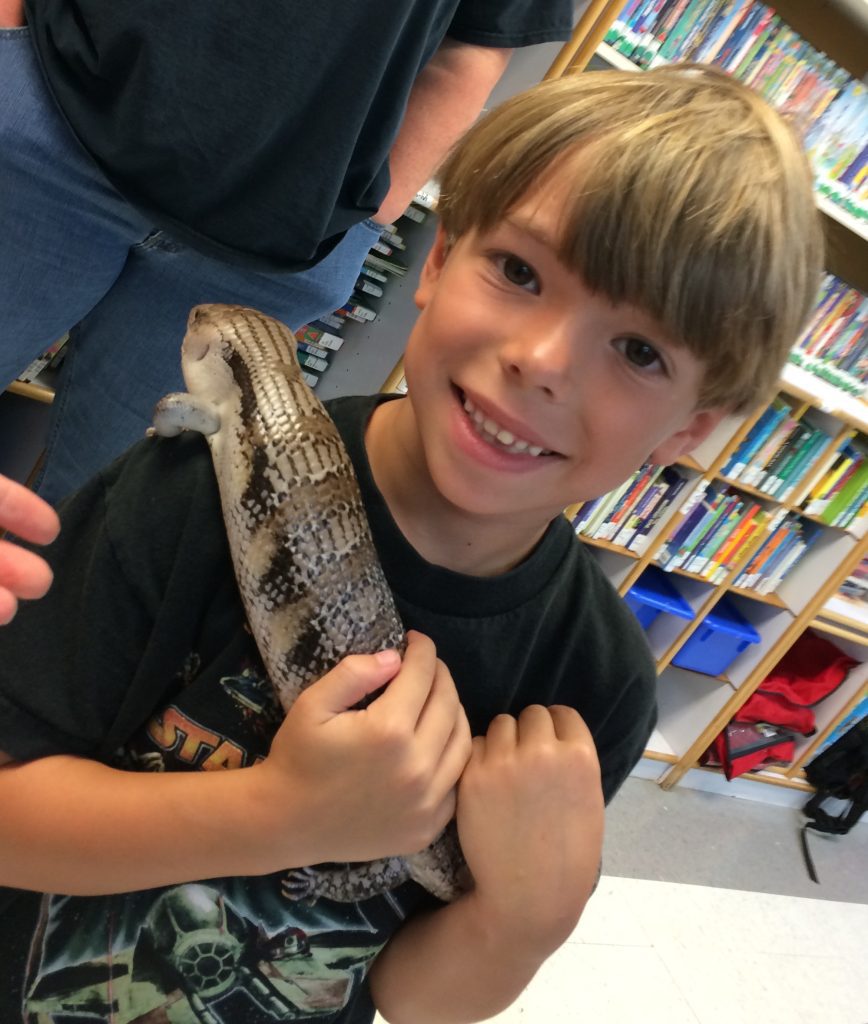
A reptile show can connect to books on snakes, lizards, turtles, habitats, biology, fossils, and dinosaurs.
A magic show can connect to books on performance, creativity, puzzles, and stagecraft.
An author visit can connect directly to featured titles and themed displays.
The event gets them in the room.
The books help carry the experience home.
That is the win.
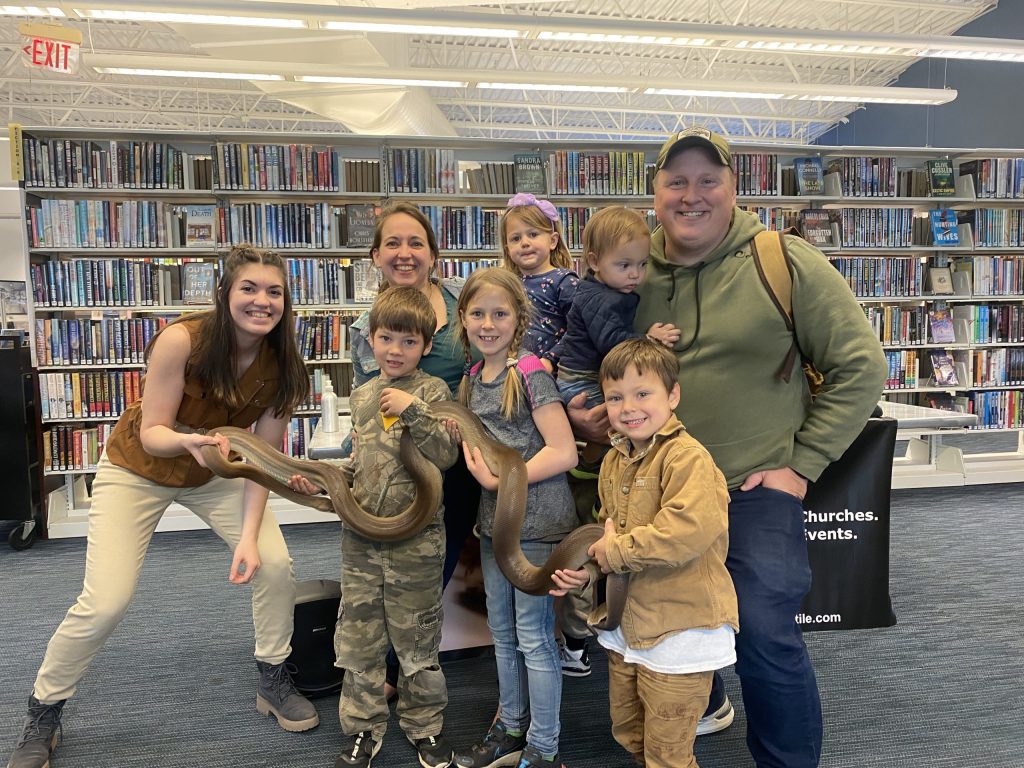
Every strong summer reading program should have a flagship event.
One major draw.
One event that creates buzz.
One moment that makes families say, “We have to go to that.”
This should usually happen early in the summer if possible.
Why?
The earlier you create momentum, the more time you have to benefit from it.
A strong first impression can drive repeat attendance for weeks.
Your flagship event does not need to be celebrity-level expensive.
But it should feel like a real attraction.
It should feel worth putting on the family calendar.
Look for a performer or presenter who is:
The point of the “wow” event is not just applause.
It is momentum.
When families come for the big event, that is your chance to introduce the rest of the summer schedule, promote your reading challenge, highlight related books, and invite them back for what is next.
Once the big event gets attention, consistency keeps the program alive.
Families are busy in the summer.
They are juggling vacations, camps, church activities, sports, grandparents, and last-minute plans.
So do not make your schedule harder than it needs to be.
If your events are every Tuesday at 2:00 p.m., keep them every Tuesday at 2:00 p.m.
If they are every Thursday at 3:00 p.m., keep them every Thursday at 3:00 p.m.
Predictability helps attendance. When the day and time stay the same, your audience learns the rhythm.
Once people know the rhythm, they are much more likely to return.
Confusion costs attendance.
Consistency builds habits.
Not every vendor is equal.
A good performer does more than entertain children.
A good performer strengthens your reputation.
You want presenters who are
• professional
• responsive
• clear in communication
• safe in their setup and delivery
• punctual
• able to engage a room full of mixed ages
You are not just hiring talent.
You are hiring trust.
When a family has a great experience at a library event, they associate that positive experience with your library.
That matters.
It is also worth asking practical questions before booking:
How much space do they need?
How long is setup?
What do they provide?
What do they need from your team?
Are they accustomed to working with children and public venues?
Do they communicate clearly and professionally?
The best partnerships are the ones that reduce stress, not add to it.
One of the easiest ways to improve your programming is simple:
communicate clearly with your vendors.
They have probably never been inside your building.
They do not know which entrance is best, where to park, whether the room is upstairs, or who they should check in with when they arrive.
So tell them.
Give them a clear contact person.
Give them arrival instructions.
Tell them where to unload.
Tell them what the room setup looks like.
Tell them whether there will be a microphone, tables, chairs, or helpers.
Good preparation creates smooth events.
Smooth events create better audience experiences.
Better audience experiences lead to stronger trust in your library.
This is one of the most overlooked parts of summer programming.
If you bring in a great event and then fail to connect it to books, you are leaving value on the table.
Do not assume families will make that connection on their own. Help them.
Before the event, build a featured book display tied to the presentation topic.
Pull picture books, early readers, chapter books, nonfiction, graphic titles, and parent-friendly options.
Make the display obvious, attractive, and easy to browse.
Then mention it.
At the beginning or end of the event, give a short, natural invitation:
if your child loved what they saw today, we have pulled books right over here so you can keep exploring the topic together.
That simple bridge can turn a fun afternoon into book circulation.
And that is exactly what summer reading should do.
Even great events can struggle when communication is weak.
Do not rely on one flyer.
Do not rely on one social post.
Do not rely on people remembering what they heard three weeks ago.
Families need reminders.
Use the following where appropriate:
And when you can, remind people close to the event date.
The best message is usually clear and simple:
what it is
who it is for
what day and time it starts
and why it is worth attending.
Make it easy to say yes.
Libraries do not have to promote alone.
One of the smartest moves you can make is building relationships with other trusted community organizations.
That can include schools, churches, daycares, community centers, youth organizations, park programs, and family-focused nonprofits.
These groups already serve the kinds of people you want to reach.
A simple partnership can go a long way:
sharing flyers
mentioning your program in newsletters
displaying your event schedule
helping spread word-of-mouth through staff and families
Sometimes the fastest way to grow attendance is not better design or better copy.
It is simply better relationships.
Things happen.
Performers get sick.
Vehicles break down.
Schedules shift.
Emergencies come up.
That is why it helps to have backup options.
Keep a short list of alternate presenters.
Know which smaller in-house activities your team can run if needed.
Have a communication plan ready in case a change needs to be announced quickly.
A backup plan does not mean you expect failure. It means you are planning like a professional.
Libraries do not stop mattering when summer ends.
Family programming should not disappear just because the summer reading budget is spent.
Fall break, winter break, spring break, and back-to-school season can all become opportunities to bring people back into the building.
In some cases, off-season programming can be even easier to book and promote.
Do not think of summer reading as a one-time burst of activity.
Think of it as the front door to year-round engagement.
If families have a great experience in June or July, give them a reason to return in October,
then again in December,
then again in spring.
That is how a library becomes part of family rhythm.
A successful summer reading program is not built on random entertainment.
It is built on intentional experiences that help families connect joy with reading, events with books, and one good visit with the desire to come back again.
When you:
…your summer reading program becomes more than a schedule.
It becomes a growth engine for your library.
Because the best summer programs do not just fill seats for an hour.
They create readers, build trust, and make families feel that your library is a place worth returning to again and again.